

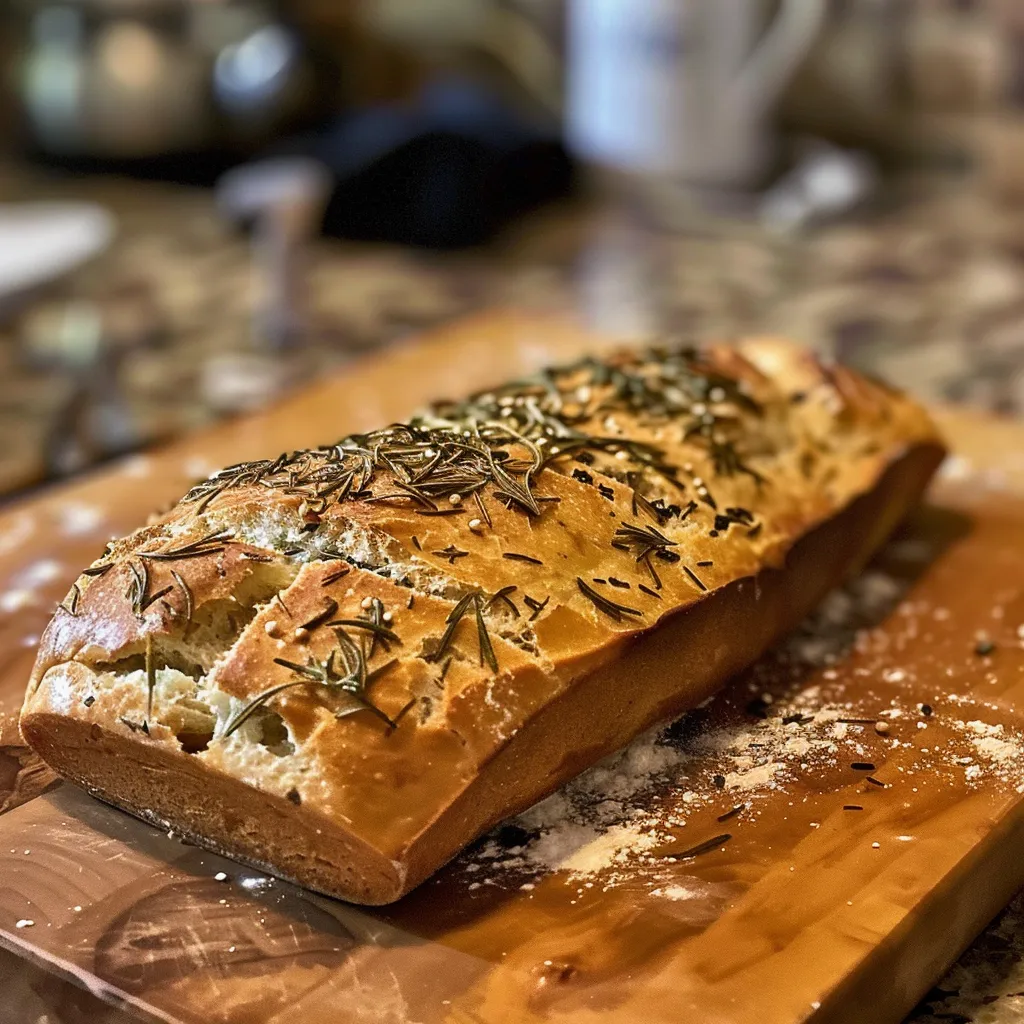
Baking is a journey that transports you around the world, and in this case, we’re headed straight to the sun-kissed Mediterranean. The Rustic Rosemary Olive Loaf isn’t just any bread; it’s a culinary adventure that bursts with the rich flavors of fresh rosemary and briny black olives. This loaf is a celebration of simplicity and depth, making it perfect for family gatherings, cozy dinners, or simply indulging in with a glass of wine. With each slice, you don’t just taste bread; you savor a story of culture, connection, and adventure.
Whether you’re a seasoned baker or a curious novice, the beauty of this recipe lies in its no-knead approach. You can prepare it with minimal effort and still impress everyone at the table. Let’s dive into the details of crafting this beautiful artisan bread!
Why You’ll Love This Recipe
- Effortless Preparation: This loaf requires no kneading, making it accessible for bakers of all levels. Just mix, let it rise, and bake!
- Flavor Explosion: Infused with fresh rosemary and black olives, this bread delivers a delightful blend of savory and aromatic notes that elevate your meals.
- Versatile Pairing: Whether enjoyed with olive oil for dipping, as a sandwich base, or simply on its own, this loaf complements a variety of dishes.
- Impressive Presentation: The rustic look and artisan texture of the bread make it a stunning centerpiece for any table.
- Health Benefits: Made with wholesome ingredients, this bread is not only delicious but also a nutritious choice, providing fiber and healthy fats.
Ingredient Breakdown
Understanding your ingredients is crucial for baking success. Here’s a closer look at what you’ll need for the Rustic Rosemary Olive Loaf, along with potential substitutions.
- All-Purpose Flour: 1 1/2 cups, plus more for shaping. You can swap this with bread flour for a chewier texture.
- Bread Flour: 1 cup. If you prefer, you can use whole wheat flour for a nuttier flavor.
- Sugar: 1 teaspoon. This helps to activate the yeast; you can use honey or maple syrup as a natural alternative.
- Salt: 2 teaspoons. Essential for flavor and controlling yeast activity; kosher salt works well.
- Fresh Rosemary: 3 tablespoons, finely chopped. Dried rosemary can be used in a pinch, but fresh offers a more vibrant flavor.
- Instant Yeast: 1 1/2 teaspoons. Active dry yeast can also be used; just dissolve it in warm water first.
- Warm Water: 1 1/2 cups (about 110 to 115°F). If you don’t have a thermometer, it should feel warm to the touch but not hot.
- Olive Oil: 3 tablespoons. Extra virgin olive oil adds richness; you can substitute it with melted butter for a different flavor.
- Black Olives: 1/2 cup, rinsed, pitted, and sliced. Feel free to mix with green olives or experiment with different varieties.
Pro Tips for Perfect Results
- Don’t Rush the Rise: Allow the dough to ferment for 6 to 12 hours. This long rise time develops the flavor and texture.
- Use a Hot Dutch Oven: Preheating your 3 1/2-quart Dutch oven before adding the dough creates a steamy environment that yields a crispy crust.
- Maintain Moisture: If your loaf seems dry, you can add a little more water during the mixing stage. The dough should be sticky but manageable.
- Shape with Care: When shaping the loaf, use flour generously on your hands and work surface to prevent sticking.
- Slash the Dough: Make one or two slashes on top of the loaf before baking to allow steam to escape, giving your bread that classic artisan look.
- Cool Before Slicing: Let the bread cool completely on a wire rack before slicing to ensure the best texture.
- Experiment with Flavors: Feel free to add ingredients like sun-dried tomatoes, garlic, or cheese for a unique twist.
- Storage Tips: Store leftovers in a paper bag at room temperature to maintain freshness and prevent sogginess.
Common Mistakes and Troubleshooting
Even the best bakers can encounter challenges. Here are some common pitfalls and how to avoid them:
- Over-proofing: If your dough rises for too long, it can collapse. Keep an eye on it during the rise.
- Under-baked Bread: Ensure your oven is properly preheated, and use a thermometer to check the internal temperature; it should reach about 190°F.
- Flat Loaf: This can happen if the dough isn’t wet enough or if it’s over-kneaded. Remember, this is a no-knead recipe!
- Flavorlessness: Always taste your dough and adjust salt and seasoning as needed before baking.
Variations and Adaptations
While the Rustic Rosemary Olive Loaf is delightful as is, there are countless variations to explore:
- Garlic and Herb: Add roasted garlic cloves and mixed Italian herbs for a fragrant alternative.
- Cheesy Delight: Incorporate shredded Parmesan or feta cheese into the dough for a savory twist.
- Sun-Dried Tomato and Basil: Mix in chopped sun-dried tomatoes and fresh basil for a Mediterranean flair.
- Nutty Addition: Add chopped walnuts or pecans for a delightful crunch and flavor contrast.
Storage and Make-Ahead Instructions
Planning ahead can make your baking experience easier:
- Make Ahead: You can prepare the dough in advance and refrigerate it for up to 24 hours before baking. Just allow it to come to room temperature before proceeding.
- Storage: Store any leftover bread in a paper bag at room temperature for up to 3 days. For longer storage, freeze the bread wrapped tightly in plastic wrap and aluminum foil for up to 3 months.
Comprehensive FAQ
- Can I make this bread without a Dutch oven? Yes, you can bake it on a baking sheet, but the crust will be less crispy.
- Can I use active dry yeast instead of instant yeast? Absolutely! Just dissolve it in warm water first before mixing it into the dough.
- Are there other olives I can use? Yes, feel free to experiment with green olives or a mixture of your favorites.
- Can I let the dough rise for less than 12 hours? While longer fermentation enhances flavor, you can let it rise for as little as 6 hours if you’re pressed for time.
- What do I serve this bread with? This loaf pairs beautifully with olive oil, balsamic vinegar, soups, salads, or as a sandwich base.
- How do I know when the bread is done? The bread should be golden brown on top and sound hollow when tapped on the bottom.
- Can I make this bread gluten-free? Yes, you can substitute with a gluten-free flour blend; however, results may vary.
- What’s the best way to reheat leftover bread? To reheat, wrap in foil and warm in a preheated oven at 350°F for about 10-15 minutes.
Nutritional Tips and Dietary Adaptations
This Rustic Rosemary Olive Loaf can fit into various dietary preferences:
- Whole Wheat Option: Substitute half of the all-purpose flour with whole wheat flour for added fiber.
- Low-Sodium Version: Reduce the salt content and use low-sodium olives to control sodium levels.
- Vegan Adaptation: This recipe is naturally vegan, as it contains no eggs or dairy products.
Equipment Recommendations
Gather your tools for a seamless baking experience:
- Mixing Bowl: A large bowl for combining your ingredients.
- Wooden Spoon: For stirring the dough until just combined.
- Plastic Wrap: To cover the bowl during the dough rising period.
- 3 1/2-Quart Dutch Oven: Essential for achieving that perfect crust.
- Parchment Paper: Helps with transferring the dough to the Dutch oven and prevents sticking.
Serving Suggestions
Now, it’s time to enjoy your creation:
- With Dips: Serve warm with olive oil and balsamic vinegar for dipping.
- As Sandwiches: Use it as the base for Mediterranean sandwiches filled with grilled vegetables and hummus.
- With Cheese: Pair it with a cheese platter featuring Mediterranean cheeses such as feta or Manchego.
- For Breakfast: Toast slices and enjoy with avocado and poached eggs for a satisfying breakfast.
Conclusion
The Rustic Rosemary Olive Loaf is more than just a recipe; it’s an invitation to explore flavors, cultures, and connections. Each bite is a reminder of the joy that baking brings not only to the baker but also to those who share in the experience. So, roll up your sleeves, embrace the magic of the kitchen, and let this loaf transport you to the Mediterranean, one slice at a time. Happy baking!
Rustic Rosemary Olive Loaf
Ingredients
Dough
- 2 cups all-purpose flour (plus more for shaping)
- 1 cup bread flour
- 1 teaspoon sugar
- 2 teaspoons salt
- 3 tablespoons finely chopped fresh rosemary
- 1.5 teaspoons active dry yeast
- 1.5 cups warm water (about 110 to 115F)
- 3 tablespoons olive oil
- 0.5 cup black olives, rinsed, pitted and sliced
Instructions
- Mix flours, sugar, salt, and yeast in a large bowl.
- Add warm water and olive oil; stir until a sticky dough forms.
- Stir in olives, cover, and let rise 6-12 hours until bubbly and flattened.
- Preheat oven to 450F and heat Dutch oven for 30 minutes.
- Punch down dough, shape into a ball on floured parchment, let rest 30 minutes.
- Transfer dough to Dutch oven, slash top, cover, and bake 45 minutes covered, then 15-20 minutes uncovered until golden.