
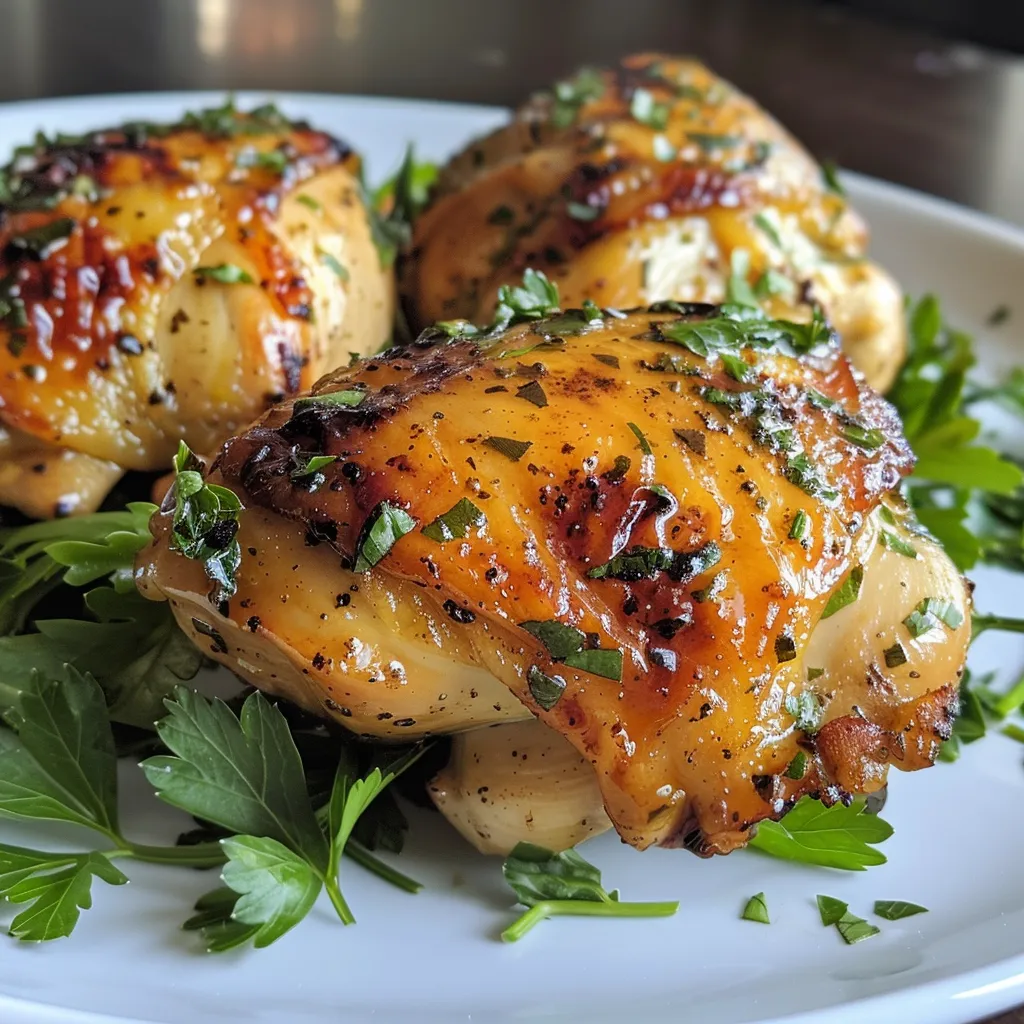
Embark on a Flavorful Journey: The Art of Roasting a Whole Chicken
Roasting a whole chicken is like unlocking a treasure chest of flavors—juicy, succulent meat with crispy skin that envelops your senses. This dish is a classic across cultures, and mastering it not only enhances your culinary skills but also deepens your connection to global traditions. In this guide, we’ll dive into every aspect of roasting a whole chicken, ensuring that your culinary journey is as rewarding as the meal itself.
Why You’ll Love This Recipe
There’s something magical about serving a perfectly roasted whole chicken. Here are five reasons to embrace this dish:
- Flavor Explosion: The combination of herbs, spices, and the natural juices creates an explosion of flavors that dances on your palate.
- Impressive Presentation: A beautifully roasted whole chicken makes for an eye-catching centerpiece at any dinner table.
- Versatile Leftovers: Use leftover chicken for salads, sandwiches, or soups, making it a meal that keeps on giving.
- Simple Process: Despite its impressive results, roasting a chicken is surprisingly easy—perfect for novice cooks and seasoned chefs alike.
- Cultural Connection: Each recipe you try reflects a piece of culinary culture, connecting you to traditions from around the globe.
Essential Ingredients for the Perfect Roast
Understanding the components of a great roast chicken is vital. Here’s a detailed breakdown of what you’ll need:
- Whole chicken: Choose one that weighs between 4-5 lbs for the best results.
- Olive oil: 2 tablespoons help create a golden, crispy skin.
- Salt: 1 tablespoon, or to taste—this enhances the chicken’s natural flavors.
- Fresh herbs: Rosemary, thyme, or parsley add aromatic depth and freshness.
- Lemon: A sliced lemon adds brightness and moisture, infusing the chicken with citrusy flavor.
- Garlic: 4 cloves, smashed, elevate the dish with a robust, savory kick.
Tools You’ll Need
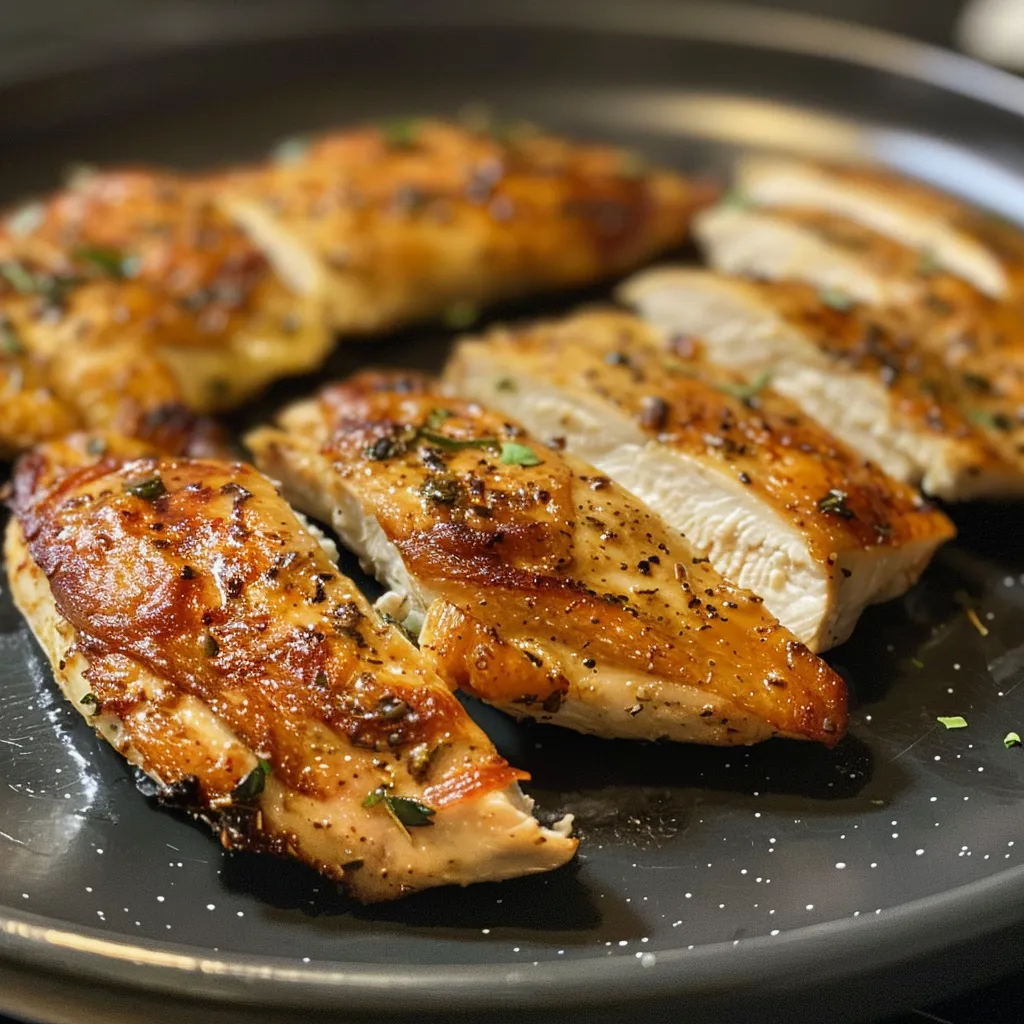
Having the right tools makes the roasting process smoother:
- Roasting pan: A sturdy pan with high sides to catch drippings.
- Meat thermometer: Essential for checking doneness—aim for 165°F in the thickest part of the meat.
- Basting brush: Use this to apply oils and juices for even cooking.
- Carving knife: A sharp knife makes slicing through the crispy skin effortless.
Step-by-Step Preparation for Roasting
Follow this detailed guide to achieve the perfect roast:
Step 1: Preparing the Chicken
Start by patting the chicken dry with paper towels. This step is crucial for achieving crispy skin.
Step 2: Seasoning the Chicken
Rub the chicken all over with olive oil, then generously sprinkle salt. Don’t forget to season the cavity—this is where a lot of flavor hides!
Step 3: Prepping the Oven
Preheat your oven to 425°F (220°C). A hot oven is key to a perfectly roasted chicken.
Step 4: Roasting the Chicken
Place the chicken breast-side up in the roasting pan. Add smashed garlic and lemon slices around the chicken. Roast for about 1.5 hours, basting occasionally.
Step 5: Checking for Doneness
Insert a meat thermometer into the thickest part of the thigh—it should read 165°F. If it’s not there yet, continue roasting and check every 10 minutes.
Serving Suggestions
Once your chicken is beautifully roasted, it’s time to serve! Here are some delightful ideas:
- Side Dishes: Pair with roasted vegetables, creamy mashed potatoes, or a fresh garden salad.
- Sauces and Gravies: Serve with homemade gravy made from the drippings for an added flavor boost.
- Herb Butter: A dollop of herb-infused butter on top of the chicken adds richness.
- Fresh Bread: Serve with warm, crusty bread to soak up all those delicious juices.
Pro Tips for Roasting Success
Here are some expert insights to elevate your roasting game:
- Resting time: Allow the chicken to rest for at least 15 minutes after roasting. This helps the juices redistribute and makes for a juicier experience.
- Room temperature: Let your chicken sit at room temperature for 30 minutes before roasting. This ensures even cooking.
- Flavor infusion: Consider placing fresh herbs or aromatics inside the cavity for additional flavor.
- Basting: Baste the chicken every 30 minutes for maximum moisture and flavor.
- Don’t rush: If the chicken isn’t fully cooked, resist the urge to carve it. Let it cook longer if needed.
- Experiment: Try different herb blends, spices, or even citrus fruits to find your favorite flavor profile.
- Cooking method: For a smoky flavor, try roasting on a grill or using a rotisserie.
- Use the drippings: Don’t discard the drippings! They make a fantastic base for gravy or sauces.
Common Mistakes to Avoid
Even the best chefs can have off days. Here are some common pitfalls and how to troubleshoot:
- Overcooking: Keep an eye on the thermometer to prevent dry, overcooked chicken.
- Underseasoning: Don’t skimp on salt—season generously to enhance the chicken’s natural flavor.
- Ignoring resting time: Cutting into the chicken too soon will result in lost juices. Patience is key!
- Not using a roasting rack: A rack allows for even cooking and crispier skin.
Variations on the Classic Roast
Don’t hesitate to mix things up! Here are some delicious variations you can try:
- Herb-Crusted Chicken: Add a mixture of fresh herbs and breadcrumbs to the skin for a crunchy texture.
- Spicy Mexican Roast: Rub with chili powder, cumin, and lime for a zesty twist.
- Garlic & Herb Butter: Mix softened butter with minced garlic and herbs, then spread under the skin for an extra layer of flavor.
- Citrus Infusion: Use oranges, limes, or even grapefruit for a refreshing citrus flavor.
Storage and Make-Ahead Instructions
Roasted chicken is great for meal prep. Here’s how to store and reheat:
- Refrigeration: Store leftover chicken in an airtight container for up to 4 days.
- Freezing: Freeze leftover meat in portions for up to 3 months. Thaw in the fridge before reheating.
- Reheating: Warm in the oven at 350°F (175°C) until heated through to retain moisture.
Nutritional Tips and Dietary Adaptations
Making healthy choices while enjoying your roast chicken is easy:
- Skinless Options: For a lower-fat option, remove the skin before eating.
- Gluten-Free: This recipe is naturally gluten-free, making it suitable for those with dietary restrictions.
- Low-Sodium: Reduce the amount of salt or use a salt substitute to cater to a low-sodium diet.
Comprehensive FAQ: Your Questions Answered
Here are some frequently asked questions about roasting a whole chicken:
- What is the best temperature to roast a chicken? The optimal temperature is 425°F (220°C) for a crispy skin.
- How long does it take to roast a chicken? Generally, it takes about 1.5 hours for a 4-5 lb chicken.
- Can I roast a chicken from frozen? It’s best to thaw the chicken before roasting for even cooking.
- What should I do with leftover chicken? Leftover chicken can be used in salads, soups, or sandwiches.
- Can I use a convection oven? Yes, a convection oven can reduce cooking time and enhance browning.
- How do I know when the chicken is done? Use a meat thermometer; it should read 165°F (74°C) in the thickest part of the thigh.
- What sides pair well with roast chicken? Roasted vegetables, mashed potatoes, and fresh salads are excellent choices.
- Can I marinate the chicken? Absolutely! A marinade can add incredible flavor—just ensure it’s done for a few hours or overnight.
Equipment Recommendations
Investing in quality kitchen tools will enhance your roasting experience:
- Cast Iron Skillet: Ideal for even heat distribution and browning.
- Digital Meat Thermometer: Essential for achieving perfect doneness.
- Heavy-duty Roasting Pan: Choose one that can withstand high temperatures and is easy to clean.
Conclusion: Your Culinary Adventure Awaits!
Roasting a whole chicken offers not just a meal, but a celebration of flavors, cultures, and connections. As you embark on this culinary adventure, remember that each roast carries with it a story waiting to be shared. Whether it’s a family gathering or a cozy dinner for one, the joy of cooking and sharing food remains the same. So, gather your ingredients, fire up the oven, and let’s make magic happen in the kitchen!
Browse By
Ingredients
Categories
- 1 unit Home
- 1 unit RECIPESBreakfastLunchDinnerDessertsSeafood
- 1 unit Breakfast
- 1 unit Lunch
- 1 unit Dinner
- 1 unit Desserts
- 1 unit Seafood
- 1 unit IngredientsChickenBeefSaladsSoup
- 1 unit Chicken
- 1 unit Beef
- 1 unit Salads
- 1 unit Soup
- 1 unit In the KitchenAirfryer Recipes
- 1 unit Airfryer Recipes
- 1 unit New Year’s Day Recipes
- 1 unit Valentine’s Day Recipes
- 1 unit St. Patrick’s Day Recipes
- 1 unit Easter Recipes
- 1 unit Mother’s Day Recipes
- 1 unit Juneteenth Recipes
- 1 unit Independence Day Recipes
- 1 unit Halloween Recipes
- 1 unit Thanksgiving Recipes
- 1 unit Christmas Recipes
- 1 unit About Us
- 1 unit Contact Us
Instructions
- Gather all ingredients and prepare your cooking area.
- Select the appropriate category and ingredients for your meal.
- Follow the specific cooking instructions for your chosen recipe.
- Serve and enjoy your meal.