
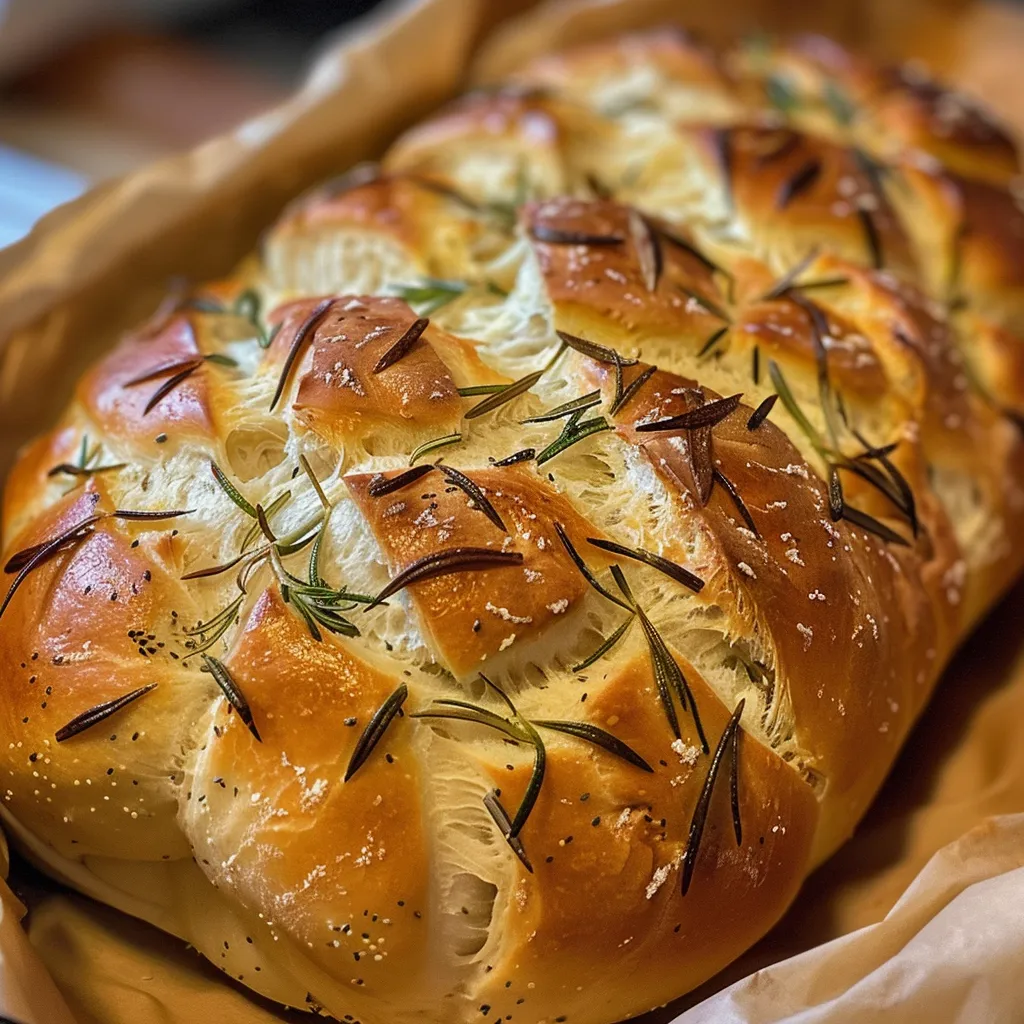
Embark on a Culinary Journey with Rosemary Olive Oil Bread
Welcome to a world where the aroma of fresh rosemary meets the richness of olive oil, creating a bread that is not just a dish, but an experience. This Homemade Rosemary Olive Oil Bread invites you to explore the simple joys of baking, all while connecting with the cultures that cherish this beloved loaf. In this article, you will learn the ins and outs of making this delightful bread, from the ingredients to troubleshooting tips, all while weaving in stories and insights that make cooking an adventure.
Why You’ll Love This Recipe
This recipe for Rosemary Olive Oil Bread is not just about the ingredients; it’s about creating something special that tells a story. Here are five reasons to fall in love with this recipe:
- Irresistible Flavor: The combination of fresh rosemary and high-quality olive oil infuses the bread with aromatic flavors that transport you to a sun-drenched Italian villa.
- Simple Ingredients: With just a handful of pantry staples, you can create a gourmet bread that impresses family and friends without requiring advanced baking skills.
- Versatile Pairing: This bread pairs beautifully with soups, salads, or as a base for your favorite sandwiches, making it a versatile addition to any meal.
- Perfect for Sharing: Whether it’s a family dinner or a cozy gathering with friends, this bread serves as a great centerpiece that brings people together.
- Health Benefits: Made with olive oil and fresh herbs, this bread not only satisfies your taste buds but also offers heart-healthy benefits.
Ingredient Breakdown and Substitutions
To create this delightful Rosemary Olive Oil Bread, you will need the following ingredients:
- 4 cups all-purpose flour: Provides the structure for the bread. You can substitute with whole wheat flour for a nuttier flavor.
- 1 packet active dry yeast (7 g): Essential for leavening. If you prefer, you can use instant yeast, just follow the package instructions.
- 1.5 cups warm water (38°C): Activates the yeast. Ensure the water is warm, not hot, to avoid killing the yeast.
- 2 tablespoons fresh rosemary, finely chopped: Adds a fragrant herbal note. Dried rosemary works as a substitute but use half the amount.
- 1 teaspoon salt: Enhances flavor. Sea salt is a great choice for a bit of crunch.
- 1 tablespoon olive oil: Adds moisture and flavor. Consider using infused oils for an extra kick.
Step-by-Step Instructions


Now that you have your ingredients, let’s get baking!
- In a bowl, combine the warm water and yeast. Let it sit for 5 minutes until frothy.
- Add in the flour, salt, chopped rosemary, and olive oil. Mix until a coarse dough forms.
- Knead on a floured surface for about 10 minutes until the dough becomes smooth and elastic.
- Place the dough in a greased bowl, cover with a cloth, and let it rise in a warm spot for 1 hour.
- Once risen, deflate the dough, shape it into a round loaf, and place it on a baking tray.
- Let it rise again for 30 minutes while preheating your oven to 200°C.
- Just before baking, slash the top of the loaf with a sharp knife.
- Bake for 30-35 minutes until golden brown and the crust is crispy.
- Cool on a wire rack before slicing.
Expert Tips for Perfect Bread
Here are some expert insights to elevate your baking game:
- Check your yeast: If your yeast doesn’t foam up in the warm water, it may be expired. Fresh yeast is key for a good rise.
- Don’t rush the rising times: Allowing the dough to rise properly enhances flavor and texture.
- Knead thoroughly: Kneading develops gluten, giving your bread that perfect chewy texture.
- Use a baking stone: For an artisan crust, bake your bread on a preheated baking stone.
- Experiment with flavors: Add garlic, olives, or cheese to the dough for unique variations.
- Cool completely: Let the bread cool before slicing to maintain its structure.
- Brush with olive oil: For a glossy finish, brush the top of the loaf with olive oil before baking.
- Store properly: Keep your bread in a bread box or wrapped in a cloth to maintain freshness.
Common Mistakes and Troubleshooting
Baking can be an adventure, but sometimes things don’t go as planned. Here’s how to troubleshoot:
- Dense bread: This could be due to not enough kneading or old yeast. Ensure proper activation and knead until elastic.
- Flat bread: If the dough doesn’t rise, check the yeast activation and ensure your dough is warm enough for rising.
- Dry crust: If the crust becomes too hard, cover the bread with foil halfway through baking.
- Uneven baking: Rotate your baking tray halfway through for even cooking.
Delicious Variations to Try
Once you master the classic recipe, feel free to explore these variations:
- Garlic Rosemary Bread: Add 3-4 cloves of minced garlic to the dough for a robust flavor.
- Cheesy Olive Oil Bread: Incorporate shredded Parmesan or mozzarella into the dough for a cheesy delight.
- Olive and Rosemary Focaccia: Shape your dough into a flat focaccia, dimple the surface, and add olives before baking.
- Sun-Dried Tomato Rosemary Bread: Mix in chopped sun-dried tomatoes for a Mediterranean twist.
Storage and Make-Ahead Instructions
To enjoy your Rosemary Olive Oil Bread beyond the baking day, follow these storage tips:
- Room Temperature: Store in a bread box or wrapped in a cloth for up to 3 days.
- Freezing: Slice the bread and freeze in an airtight container for up to 3 months. Thaw at room temperature before enjoying.
- Make-Ahead Dough: Prepare the dough, let it rise, then shape and refrigerate for up to 24 hours before baking.
Frequently Asked Questions
Here are some common questions and answers to help you on your baking journey:
- Can I use whole wheat flour? Yes! Whole wheat flour adds a nutty flavor; however, you may need to adjust the water amount.
- What can I serve with Rosemary Olive Oil Bread? This bread pairs excellently with soups, salads, or can be enjoyed with dips.
- Can I use dried rosemary instead of fresh? Absolutely! Just use half the quantity to avoid overpowering the bread.
- How do I know when the bread is done baking? The bread should sound hollow when tapped on the bottom and have a golden-brown crust.
- Can I add other herbs? Yes! Feel free to experiment with thyme, oregano, or basil for different flavor profiles.
- What is the best way to slice the bread? Use a serrated knife to achieve clean cuts without squishing the loaf.
- How can I make this recipe vegan? Substitute olive oil with a vegan butter alternative and ensure no dairy is used in serving.
- Can I make this bread gluten-free? Absolutely! Use a gluten-free flour blend designed for bread-making.
Nutritional Tips and Dietary Adaptations
This Rosemary Olive Oil Bread can be adapted to suit various dietary needs:
- Gluten-Free: Use gluten-free all-purpose flour and follow the instructions for gluten-free baking.
- Low-Carb: Consider using almond flour mixed with vital wheat gluten for a lower-carb version.
- Whole Foods: Incorporate seeds like flax or chia for added nutrition and texture.
Essential Equipment Recommendations
To ensure your baking experience is seamless, consider having the following equipment on hand:
- Mixing Bowls: Sturdy bowls for mixing dough.
- Baking Tray: A good quality baking tray ensures even cooking.
- Kitchen Scale: For precise measurements, especially if experimenting with different flours.
- Silicone Baking Mat: Prevents sticking and makes cleanup easier.
- Serrated Knife: Ideal for slicing your freshly baked bread.
Serving Suggestions
Now that your Rosemary Olive Oil Bread is baked to perfection, here are some delightful ways to serve it:
- With Olive Oil and Balsamic Vinegar: Serve warm with a drizzle of quality olive oil and balsamic vinegar for dipping.
- As a Sandwich Base: Use slices as a base for gourmet sandwiches, filled with fresh ingredients.
- To Accompany Soups: Pair the bread with a hearty soup for a comforting meal.
- With Cheese and Meats: Create a charcuterie board featuring this bread alongside cheeses and cured meats.
Conclusion
Baking Rosemary Olive Oil Bread is not just about the end product; it’s about the journey of creating something delicious from simple ingredients. With every slice, you’re not just tasting bread, but savoring a story of culture, adventure, and connection. So gather your ingredients, embrace the adventure, and let the aroma of fresh rosemary and olive oil fill your kitchen. Happy baking!
Homemade Rosemary Bread Olive
Ingredients
Dough
- 4 cups all-purpose flour
- 1 packet active dry yeast (7 g)
- 1.5 cups warm water (38 C)
- 2 tablespoons fresh rosemary (finely chopped)
- 1 teaspoon salt
- 1 tablespoon olive oil
Instructions
- Combine warm water and yeast, let stand 5 minutes until frothy.
- Mix in flour, salt, chopped rosemary, and olive oil to form a coarse dough.
- Knead on a floured surface for 10 minutes until smooth.
- Let rise in a greased bowl for 1 hour in a warm spot.
- Shape into a loaf, let rise 30 minutes, then slash top and bake at 200°C for 30-35 minutes.
- Cool on wire rack before slicing.
