
![['Close-up view of a golden-brown focaccia, highlighting its airy texture and herb topping.', 'Side shot of freshly baked focaccia with rosemary and garlic, glistening with olive oil.', 'Juicy focaccia bread displayed on a wooden board, showcasing its fluffy interior and crusty exterior.', 'Freshly baked focaccia with visible garlic and rosemary, captured in natural light.']](https://worldrecipesguide.com/wp-content/uploads/2026/07/focaccia_1_U1-768x768.webp "The Aromatic Adventure of No Fail Focaccia: A Bread Journey to Italy")
Embark on a Culinary Adventure with No Fail Focaccia
Welcome to a delightful journey of taste and tradition! If you’ve ever yearned for the perfect bread that combines simplicity with the rich flavors of Italy, then this No Fail Focaccia recipe is your passport. This aromatic bread is not just a dish; it’s a story waiting to unfold in your kitchen. With just a handful of ingredients and a sprinkle of care, you’ll create a fluffy focaccia that will transport you straight to the sun-kissed hills of Tuscany. Let’s dive into the art of baking this irresistible bread!
Why You’ll Love This Recipe
This No Fail Focaccia is not only incredibly delicious but also boasts several advantages that make it a must-try:
- Effortless Preparation: With minimal kneading and simple ingredients, even novice bakers can master this recipe.
- Customizable Flavors: The basic dough is a blank canvas, allowing you to experiment with toppings like olives, sun-dried tomatoes, or even cheese.
- Perfect for Sharing: This bread is great for gatherings, making it an ideal accompaniment to soups, salads, or as a stand-alone snack.
- Freezes Well: You can make extra and freeze it, ensuring you always have homemade bread ready at a moment’s notice.
- Quick Rise Time: With a short rise time, you’ll have freshly baked focaccia on your table in under two hours!
Ingredient Breakdown
Every great recipe starts with quality ingredients. Here’s what you’ll need for this No Fail Focaccia:

★ Recommended Kitchen Tool
Digital Kitchen Scale
Make this recipe even easier with a quality Digital Kitchen Scale — a must-have kitchen staple!
- 1 1/2 cups warm water: This is the foundation of your dough; it activates the yeast and helps with gluten development.
- 3 tablespoons olive oil (plus more for greasing): Olive oil not only adds flavor but also contributes to a soft, tender crumb.
- 3 1/2 cups all-purpose flour: The backbone of your bread, providing structure.
- 1 tablespoon active dry yeast: This is essential for leavening your bread, giving it that light, airy texture.
- 2 teaspoons sugar: A little sweetness helps activate the yeast and enhances browning.
- 1 1/2 teaspoons salt: This is crucial for flavor, ensuring your focaccia isn’t bland.
- Kosher salt: For topping, it adds a delightful crunch and burst of flavor.
- 2 cloves garlic, minced (or granulated garlic): Garlic infuses the bread with aromatic flavor.
- 1 tablespoon fresh rosemary, chopped: This herb gives your focaccia its signature taste and fragrance.
If you’re looking to make substitutions, consider these:
- Flour: You can use bread flour for a chewier texture or whole wheat flour for a nuttier flavor.
- Olive Oil: Try using flavored oils, such as garlic-infused oil, for an extra kick.
- Herbs: Experiment with thyme, oregano, or even a sprinkle of parmesan cheese for a different flavor.
Pro Tips for Perfect Focaccia
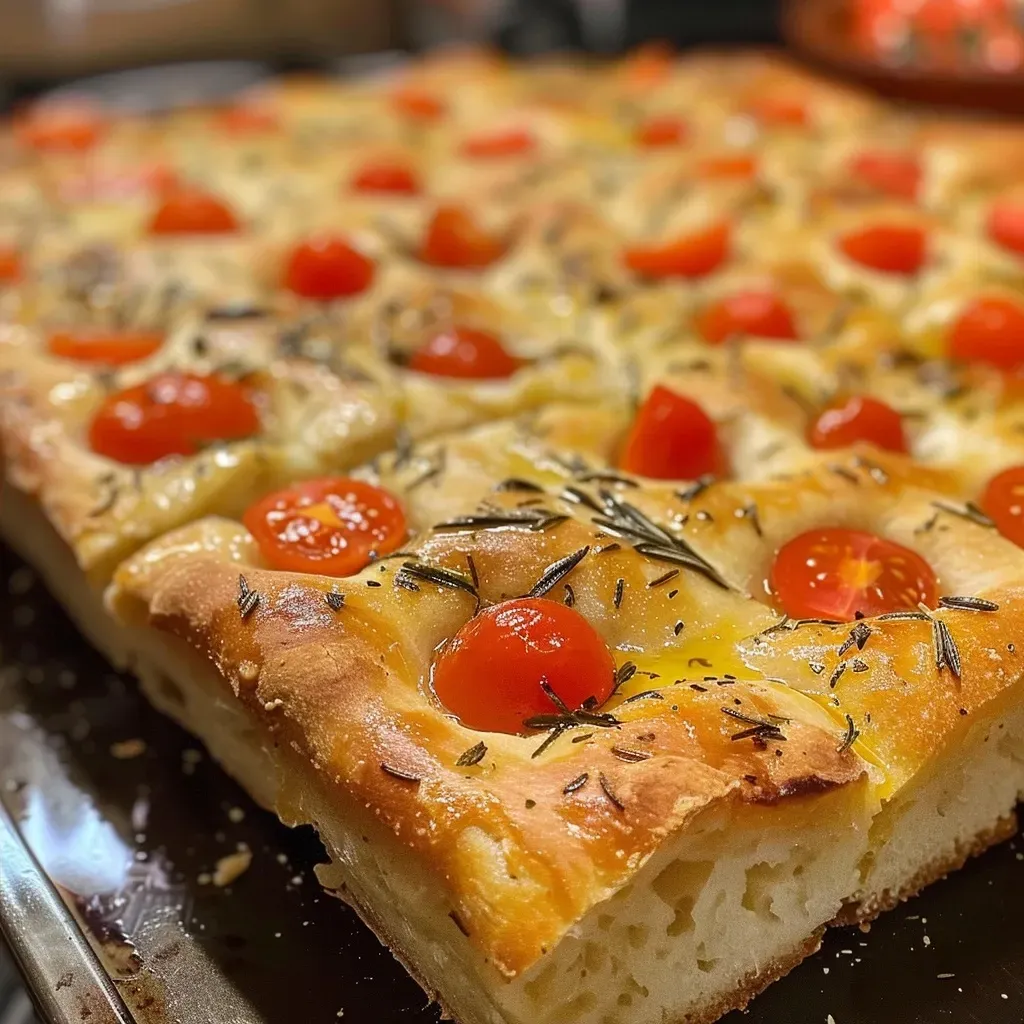
To ensure your focaccia turns out perfectly, keep these expert tips in mind:
- Use High-Quality Ingredients: Fresh ingredients yield better flavor and texture.
- Temperature Matters: Make sure your water is warm (not hot!) to activate the yeast without killing it.
- Don’t Rush the Rise: Allow the dough to rise until it has doubled in size for the best texture.
- Oil Your Pan Generously: A well-oiled pan prevents sticking and helps develop a crusty bottom.
- Poke It!: Poking the dough creates those signature dimples that hold onto toppings.
- Experiment with Toppings: Feel free to get creative with seasonal vegetables or different herbs.
- Watch the Oven: Keep an eye on your focaccia to prevent over-browning; you want it golden, not burnt.
- Cool Before Cutting: Let the bread cool slightly before slicing to maintain its structure.
Avoiding Common Mistakes
Even experienced bakers can run into issues. Here’s how to troubleshoot common mistakes:
- Dense Bread: This usually stems from not letting the dough rise long enough or using old yeast.
- Too Salty: Ensure you measure your salt accurately; too much can overpower the flavors.
- Sticking to the Pan: Make sure to grease your pan well and use parchment paper if needed.
- Flat Bread: Ensure your dough is not overworked; gentle handling is key.
Variations to Try
Once you master the basic focaccia recipe, here are some exciting variations to keep your baking adventures alive:
- Herbed Focaccia: Add a mix of dried herbs like thyme and oregano to the dough for a fragrant twist.
- Cheese Focaccia: Sprinkle shredded mozzarella or feta cheese on top before baking for a cheesy delight.
- Tomato Basil Focaccia: Top with halved cherry tomatoes and fresh basil for a summer-inspired version.
- Sweet Focaccia: Drizzle honey and sprinkle cinnamon sugar before baking for a sweet treat perfect for breakfast.
Storage and Make-Ahead Instructions
To keep your focaccia fresh, consider these storage tips:
- Room Temperature: Store in an airtight container at room temperature for up to 3 days.
- Freezing: Wrap in plastic wrap and foil, then freeze for up to 3 months. Thaw at room temperature before serving.
- Reheating: Warm in the oven at 350°F for about 10 minutes for a fresh-out-of-the-oven taste.
Frequently Asked Questions
Here are some common questions about making focaccia:
- Can I use instant yeast instead of active dry yeast? Yes, you can use instant yeast; just mix it directly with the dry ingredients.
- What can I use instead of rosemary? Thyme, oregano, or even sage can be great alternatives.
- Why is my focaccia flat? This could be due to under-proofing or overworking the dough.
- Can I add vegetables? Absolutely! Sliced olives, peppers, or onions make excellent toppings.
- How do I know when it’s done baking? The focaccia should be golden brown and sound hollow when tapped on the bottom.
- Is it okay to make the dough the night before? Yes, you can refrigerate the dough after the first rise for a slow fermentation.
- What’s the best way to serve focaccia? It’s delightful served warm, with dips like olive oil and balsamic vinegar.
- Can I use whole wheat flour? Yes, whole wheat flour can be used for a heartier texture, but you may need to adjust the liquid.
Nutrition Tips and Dietary Adaptations
Focaccia can be adjusted to fit various dietary needs:
- Gluten-Free: Substitute with a gluten-free flour blend, but check for added xanthan gum in the mix.
- Vegan: This recipe is naturally vegan; just ensure your toppings are dairy-free.
- Lower Sodium: Reduce the amount of salt in the dough and use a low-sodium broth for added flavor.
Essential Equipment for Baking Focaccia
Make sure you have the right tools to make your baking experience seamless:
- Mixing Bowl: A large bowl for combining ingredients.
- Electric Mixer: Helpful for mixing the dough, though you can also use a wooden spoon.
- Baking Pan: A 9×13-inch pan is ideal for baking your focaccia.
- Parchment Paper: Optional, but great for easy cleanup and preventing sticking.
Serving Suggestions
Focaccia is versatile and pairs wonderfully with many dishes:
- As an Appetizer: Slice it into small pieces and serve with dips like hummus or olive tapenade.
- With Soups and Salads: It makes a perfect side for hearty soups or fresh salads.
- Sandwich Base: Use it as a base for delicious sandwiches, layering with your favorite meats and veggies.
As you embark on this culinary adventure, remember that every loaf of focaccia tells a story. With each bite, you’ll savor not just the flavors but the experiences shared with friends and family around the table. So, roll up your sleeves, grab your apron, and let’s bake a masterpiece together. Enjoy your journey through the world of flavors that focaccia brings to your kitchen!
No Fail Focaccia
Ingredients
Dough
- 1 1/2 cups warm water
- 3 tablespoons olive oil (plus more for greasing)
- 3 1/2 cups all-purpose flour
- 1 tablespoon active dry yeast
- 2 teaspoons sugar
- 1 1/2 teaspoons salt
- Kosher salt Kosher salt (for sprinkling)
- 2 cloves garlic minced (or granulated garlic)
- 1 tablespoon fresh rosemary (chopped)
Instructions
-
Grease a 9×13-inch pan with olive oil.
-
Mix water, olive oil, flour, yeast, and sugar; beat on high for 1 min. Add salt and mix.
-
Transfer batter to pan, cover, and let rise 1 hour at room temperature.
-
Preheat oven to 375°F. Poke dough, drizzle with oil, sprinkle salt, garlic, and rosemary.
-
Bake for 30 minutes until golden. Cool 5 min, then invert onto rack.
-
Cut into pieces and serve. Enjoy!