
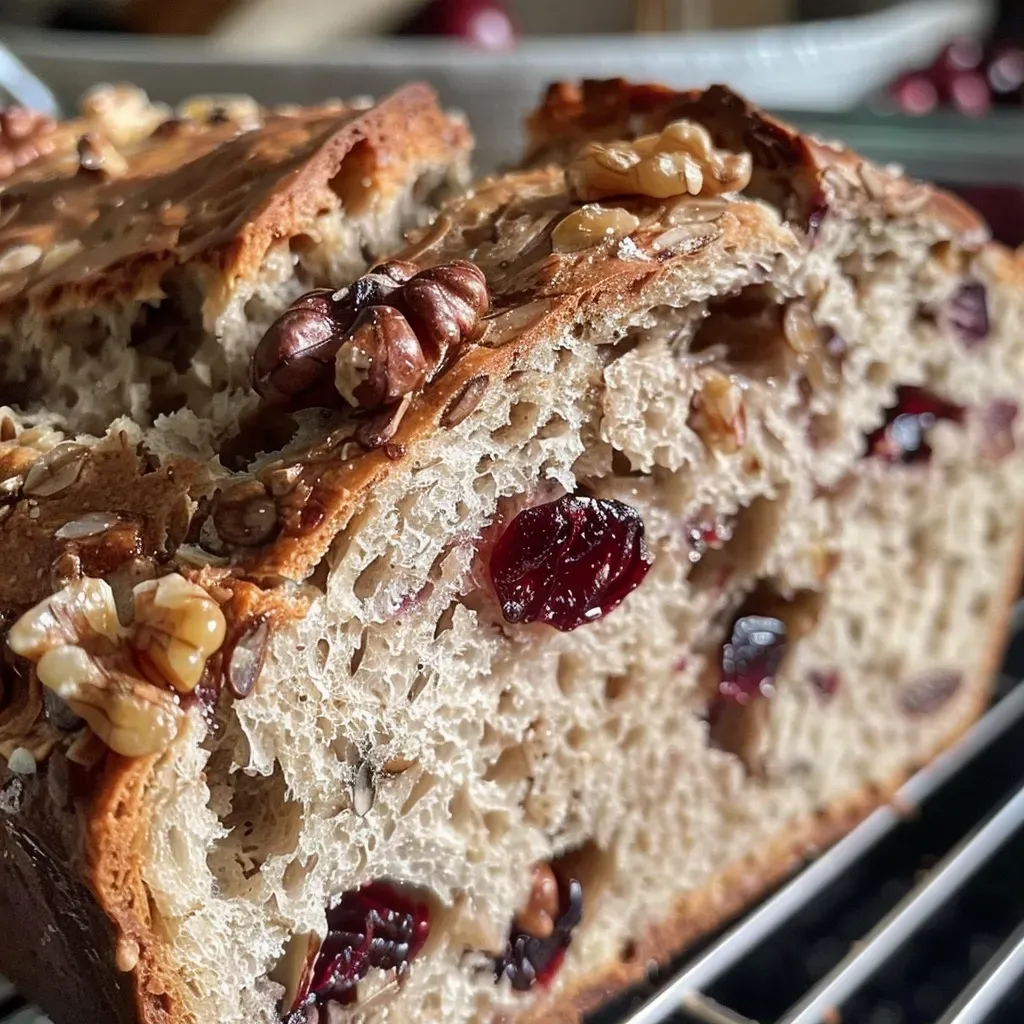
Embark on a Flavorful Adventure with Walnut and Cranberry Sourdough
Welcome, fellow culinary explorers! Today, we embark on a delightful journey through the art of sourdough baking, where we’ll create a scrumptious Walnut and Cranberry Sourdough Bread. This recipe not only tantalizes your taste buds but also weaves together rich flavors and heartfelt stories from the world of artisan bread-making. Get ready to discover the magic that happens when your kitchen becomes a portal to culture and connection.
Whether you’re a seasoned baker or a curious novice, this recipe will guide you through the process of crafting a loaf that’s perfect for sharing with loved ones. So, grab your apron, and let’s dive into the world of sourdough!
Why You’ll Love This Recipe
Here are five compelling reasons to embrace this Walnut and Cranberry Sourdough Bread:

★ Recommended Kitchen Tool
Professional Chef Knife Set
Make this recipe even easier with a quality Professional Chef Knife Set — a must-have kitchen staple!
- Unique Flavor Combination: The earthy walnuts and tart cranberries create a harmonious balance that delights the palate.
- Health Benefits: Sourdough is easier to digest and has a lower glycemic index, making it a healthier option compared to conventional bread.
- Artisan Texture: This recipe yields a beautifully crusty exterior while keeping the interior soft and chewy.
- Versatile Uses: Perfect for sandwiches, toasts, or simply enjoyed with butter or jam, this bread is incredibly versatile.
- Connection Through Food: Baking this bread allows you to share a piece of your culinary adventure with family and friends, fostering connection.
Ingredient Breakdown and Substitutions
Understanding the ingredients is key to mastering this recipe. Here’s what you’ll need:
- 400 g strong white bread flour: This flour provides the essential gluten structure for your dough. You can substitute with whole wheat flour for a nuttier flavor.
- 160 g active sourdough starter (100% hydration): Your starter is the heart of this recipe. If you don’t have one, consider using a store-bought sourdough starter.
- 230 ml water: Room temperature water helps in activating the sourdough starter. If you prefer a milder flavor, use bottled water.
- 8 g salt: Salt enhances flavor and controls fermentation. Sea salt or kosher salt works best.
- 80 g walnuts (roughly chopped): These add a delightful crunch. Substitute with pecans or hazelnuts if desired.
- 80 g dried cranberries: They introduce a sweet and tart element. You can swap them for raisins or dried cherries for a different twist.
Pro Tips for Baking Success
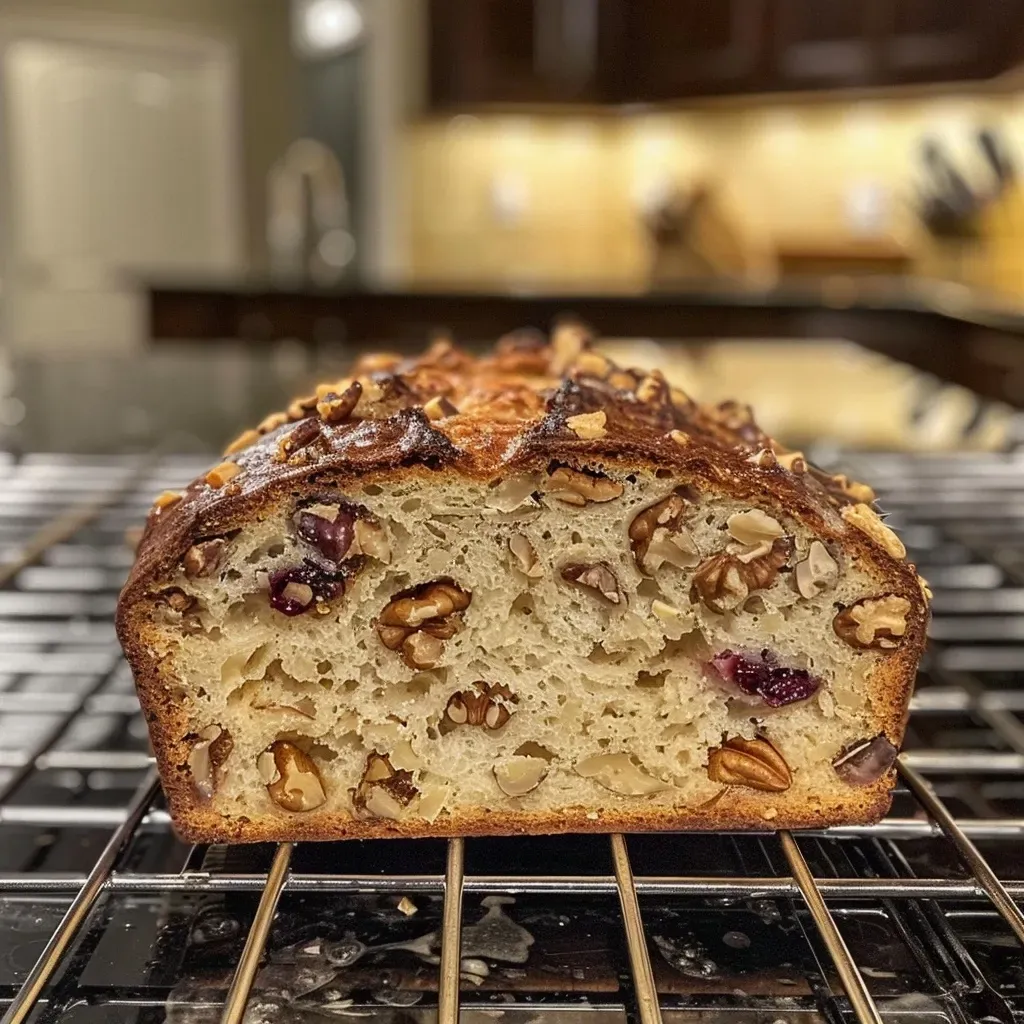
To ensure your sourdough turns out perfectly every time, keep these expert insights in mind:
- Temperature Matters: Maintain a consistent room temperature during fermentation to promote yeast activity.
- Hydration Level: Adjust water based on the flour’s absorption capacity; a wetter dough can yield a more open crumb.
- Care for Your Starter: Feed your sourdough starter 4-6 hours before using it to ensure it’s active and bubbly.
- Don’t Rush the Process: Allow adequate time for bulk fermentation and proofing for optimal flavor development.
- Use a Dutch Oven: Baking in a Dutch oven helps trap steam, resulting in a beautiful crust.
- Practice Shaping: Mastering the shaping technique will improve the loaf’s structure and rise.
- Cool Before Slicing: Let the bread cool completely before slicing to retain moisture and texture.
- Experiment with Mix-Ins: Feel free to add spices like cinnamon or nutmeg for an extra flavor kick.
Common Mistakes and Troubleshooting
Even the most seasoned bakers can face challenges. Here are some common mistakes and how to troubleshoot them:
- Dough Too Sticky: This could be due to high hydration. Dust with flour or adjust water next time.
- Dense Bread: Insufficient fermentation time can lead to a dense loaf. Ensure proper bulk fermentation.
- Flat Loaf: This may happen if the dough is over-proofed. Keep an eye on the dough’s volume during the proofing stage.
- Uneven Crust: If the crust is too dark on one side, rotate the loaf halfway through baking.
- Starter Not Active: If your bread fails to rise, your starter may need more feedings or time to activate.
Variations to Try
Get creative with your Walnut and Cranberry Sourdough by trying these delicious variations:
- Cranberry Orange Sourdough: Add the zest of an orange to your dough for a citrusy twist.
- Spicy Walnut Sourdough: Incorporate a pinch of cayenne pepper for a kick.
- Savory Herb Sourdough: Mix in fresh herbs like rosemary or thyme for a flavorful infusion.
- Chocolate Chip Cranberry Bread: For a dessert loaf, add dark chocolate chips along with cranberries.
Storage and Make-Ahead Instructions
To keep your sourdough fresh and delicious, follow these storage tips:
- Room Temperature: Store the bread in a paper bag at room temperature for up to three days.
- Freezing: Slice and freeze the bread in an airtight container for up to 3 months. Thaw at room temperature or toast directly from the freezer.
- Reheating: Refresh stale bread by placing it in a preheated oven for 5-10 minutes.
Comprehensive FAQ
Here are answers to some common questions about sourdough baking:
- Can I use all-purpose flour instead of bread flour? Yes, but your bread may lack the chewy texture that bread flour provides.
- What is the ideal temperature for sourdough fermentation? Room temperature (around 75-80°F or 24-27°C) is ideal for fermentation.
- How long does it take to make sourdough bread? The entire process can take 24-48 hours, including starter preparation and fermentation.
- Why is my sourdough dough too sticky? You may need to adjust the water amount or use a higher protein flour.
- How can I tell when my dough has risen enough? The dough should roughly double in size and feel airy and puffy.
- What’s the best way to know if my bread is done baking? Tap the bottom of the loaf; it should sound hollow when fully baked.
- Can I add fresh fruits to the dough? Yes, but be cautious with the moisture content; reduce water to maintain dough consistency.
- How do I maintain my sourdough starter? Feed it regularly with equal parts flour and water, and store it in the fridge if not using daily.
Nutrition Tips and Dietary Adaptations
Here are some nutrition insights and adaptations for this recipe:
- Whole Grain Option: Substitute half of the bread flour with whole wheat flour for added fiber and nutrients.
- Gluten-Free Version: Use a gluten-free bread flour blend for a gluten-free alternative (adjust hydration as needed).
- Lower Sugar: Skip the dried cranberries or use unsweetened varieties to reduce sugar content.
- High Protein Addition: Add seeds like chia or flaxseeds for an extra protein boost.
Essential Equipment for Sourdough Baking
Having the right tools can make your sourdough journey smoother:
- Mixing Bowl: A large bowl for mixing and fermenting the dough.
- Dutch Oven: Crucial for creating a steamy environment for baking.
- Baking Stone: Optional, but it helps retain heat and improve crust quality.
- Bench Scraper: Useful for handling and shaping dough.
- Thermometer: To check the internal temperature of your bread for doneness.
Serving Suggestions
To elevate your Walnut and Cranberry Sourdough experience, consider these serving ideas:
- With Cheese: Pair with a creamy brie or sharp cheddar for a delightful appetizer.
- As Toast: Enjoy slices toasted with butter or avocado for a breakfast treat.
- In a Sandwich: Use it as the base for gourmet sandwiches with meats and greens.
- With Soup: Serve alongside a warm bowl of soup for a cozy meal.
As our baking adventure comes to a close, remember that every loaf carries a story and a connection to the world. So, as you slice into your Walnut and Cranberry Sourdough Bread, take a moment to savor not just the flavors, but the journey that brought you here. Happy baking!
Walnut and Cranberry Sourdough Bread
Ingredients
Dough
- 400 g strong white bread flour
- 160 g active sourdough starter (100% hydration)
- 230 ml water
- 8 g salt
Add-ins
- 80 g walnuts (roughly chopped)
- 80 g dried cranberries
Instructions
- Mix flour, salt, and water until a shaggy dough forms, then add sourdough starter and knead until smooth.
- Incorporate chopped walnuts and cranberries into the dough.
- Let the dough ferment at room temperature for 4-6 hours until doubled in size.
- Shape the dough into a loaf and let it proof for 1-2 hours.
- Bake in a preheated oven at 230°C (450°F) for 40 minutes until golden brown.